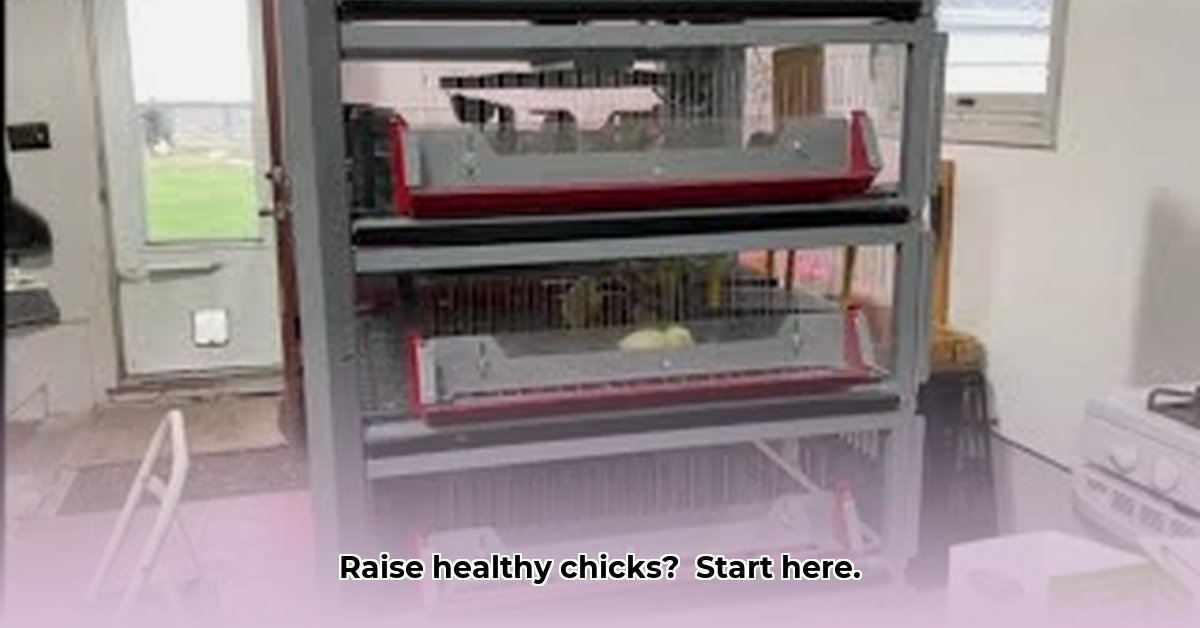
Getting Started: Setting Up Your Chick Brooder
Welcoming fluffy chicks? A Tractor Supply brooder plate is key to keeping them warm and cozy. But effective use requires careful setup. This guide provides step-by-step instructions to ensure your chicks thrive. Remember, cleanliness is paramount! Thoroughly disinfect your brooder before adding anything.
First, build a safe, comfy space. Use a raised platform (wood or wire mesh) for your Tractor Supply brooder plate; never place it directly on the bottom for crucial air circulation and chick safety. For more information on Tractor Supply brooders, check out this helpful resource: Tractor Supply Brooder Guide.
Next, add bedding. Pine shavings are ideal; avoid cedar or strongly scented materials. Provide several waterers and easy-to-clean feed containers. Fresh water is vital – chicks are surprisingly messy drinkers!
Temperature Control: The Key to Happy Chicks
Temperature is critical! Too hot, and you risk overheating; too cold, and your chicks will be chilled. Use a thermometer at chick level, not near the plate.
Aim for 95°F (35°C) the first week, gradually decreasing by 5°F (3°C) weekly. Observe your chicks closely. Huddling? They're cold; increase the heat. Sprawled out and panting? They're too hot; lower the temperature immediately. Adjust using the brooder plate settings. Consider a heat lamp as a backup or supplemental heat source.
Did you know? Consistent temperature is crucial for preventing chick stress and disease, leading to a healthier flock.
Brooder Plate Pros and Cons: Making the Right Choice
Each brooding method has advantages and disadvantages. Consider your individual needs.
| Feature | Pros | Cons |
|---|---|---|
| Heat Source | Reliable, consistent warmth; relatively inexpensive | Can overheat if not monitored; risk of burns; less energy-efficient than some alternatives. |
| Cost | Generally affordable | Less energy-efficient than heat lamps; replacement costs to consider. |
| Ease of Use | Simple to set up and operate | Requires diligent temperature monitoring; potential for malfunction |
Troubleshooting: Common Brooding Challenges
Even the best plans can falter. Here’s how to address common issues:
- Overheating: Chicks panting or far from the heat? Lower the temperature immediately and increase ventilation.
- Underheating: Chicks huddled and cold? Gradually increase the temperature and add more bedding.
- Uneven Heating: Re-evaluate your setup. Ensure good air circulation; a small fan might help.
"Maintaining a consistent temperature is crucial," says Dr. Emily Carter, Avian Veterinarian at the National Poultry Research Center. "Fluctuations stress chicks, impacting their growth and immunity."
Beyond the Brooder: A Growing Flock's Evolving Needs
As chicks grow, their needs change. The brooder plate might not suffice as they mature. Plan for a larger space and an alternative heating method as they grow.
Key Takeaway: Successful chick brooding requires constant attention and adaptation to their evolving needs. Consistent monitoring is key to a thriving flock.
Sustainable Brooding: Minimizing Your Environmental Footprint
Choosing sustainable brooding practices benefits both your chicks and the environment. Consider these points:
- Energy-efficient heat source: Radiant heat plates are more energy efficient and safer than heat lamps, reducing your environmental impact long-term.
- Recycled materials: Repurpose materials for your brooder. Consider reclaimed wood or large plastic tubs.
- Local bedding: Sourcing bedding locally minimizes transport emissions and supports local communities.
- Proper waste disposal: Responsible waste management keeps your brooder and environment clean.
"Sustainable brooding isn't just a trend—it's the future of responsible poultry farming," remarks John Miller, a sustainable agriculture expert from the University of California, Davis. "Making small changes can make a big difference."
Remember, responsible chick care is an ongoing learning process. Consistent monitoring and responsiveness to your chicks' needs are key to raising healthy, happy birds.